
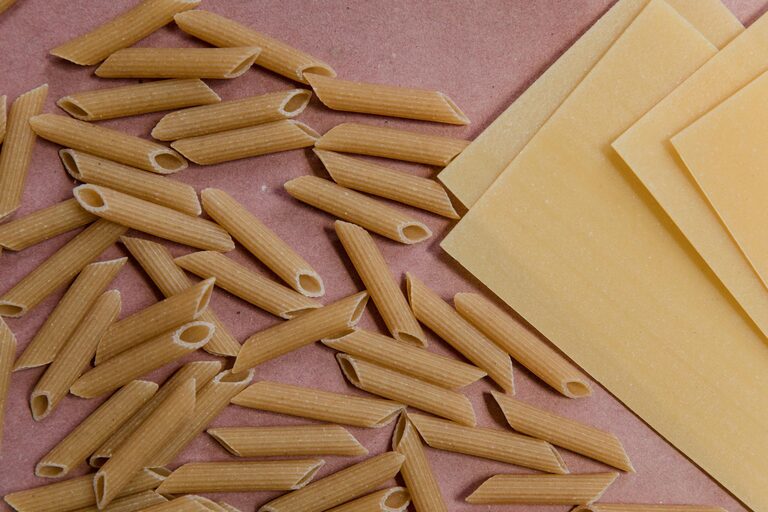
Planning meals from pantry staples is a great way to save time, reduce food waste, and stay on budget. Your pantry is often stocked with versatile ingredients that can be combined in many ways to create tasty and nutritious meals. Whether you have a fully stocked pantry or just a few basics, learning how to plan meals around these staples can make cooking easier and more enjoyable.
Why Use Pantry Staples for Meal Planning?
Pantry staples such as rice, pasta, canned beans, and spices are shelf-stable items that last a long time and form the foundation for countless recipes. Using these ingredients helps you:
– Save money by avoiding last-minute grocery store trips
– Reduce food waste by using what you already have
– Speed up meal preparation with ready-to-use ingredients
– Stay flexible when fresh ingredients are limited or unavailable
Step 1: Take Inventory of Your Pantry
Before you start planning, it’s essential to know what ingredients you have. Set aside some time to check your pantry shelves thoroughly.
– Write down items like grains (rice, quinoa, pasta), canned goods (beans, tomatoes, vegetables), baking essentials (flour, sugar), and seasonings (salt, herbs, spices).
– Note expiration dates to prioritize what to use first.
– Group similar items together for easier access.
Creating an inventory list will help you see options clearly and avoid buying duplicates.
Step 2: Identify Key Pantry Staples
Some pantry items serve as the base for many meals. These staples can be combined with fresh or frozen ingredients to add variety.
Common pantry staples include:
– Grains: rice, pasta, barley, couscous
– Legumes: canned or dried beans, lentils, chickpeas
– Canned goods: tomatoes, coconut milk, broth, vegetables
– Baking essentials: flour, oats, baking powder
– Oils and vinegars: olive oil, vegetable oil, balsamic vinegar
– Spices and herbs: garlic powder, cumin, chili powder, dried basil, oregano
– Sauces: soy sauce, hot sauce, mustard
Having these items on hand will give you a wide range of meal possibilities.
Step 3: Plan Meals Around Versatile Ingredients
Use your pantry inventory to think about meals you can make. Consider recipes that use a few main pantry items with minimal fresh ingredients.
Example meal ideas:
– Pasta with tomato sauce: Use pasta and canned tomatoes, seasoned with garlic and basil.
– Rice and beans: Combine rice with canned beans and spices for a filling dish.
– Lentil soup: Lentils, broth, and canned vegetables make a hearty soup.
– Chickpea curry: Use canned chickpeas, coconut milk, curry powder, and rice.
– Oatmeal with toppings: Quick breakfast using oats combined with nuts, dried fruit, or honey.
Mixing and matching staples with what’s available in your fridge or freezer creates endless variations.
Step 4: Create a Flexible Weekly Meal Plan
Once you know what’s in your pantry, draft a meal plan for the week. Keep it flexible by including interchangeable recipes.
– Assign main staples to certain days (e.g., rice-based dish on Monday, pasta on Wednesday).
– Plan to use any fresh produce before it spoils, combined with pantry staples.
– Leave room for leftovers or easy meals like sandwiches or salads.
Having a plan reduces mealtime stress and grocery shopping frequency.
Step 5: Keep Essential Fresh Ingredients on Hand
While pantry staples are critical, certain fresh or frozen items complement your meals well. Stock basics like:
– Onions, garlic, and potatoes (long-lasting vegetables)
– Carrots, celery, spinach (keep refrigerated or frozen)
– Eggs and dairy products, as these are often useful additions
These items help elevate simple pantry-based meals into more balanced plates.
Step 6: Tips for Cooking with Pantry Staples
Here are some helpful tips to make the most of pantry ingredients:
– Soak dried beans and lentils ahead of cooking to reduce cooking time.
– Use broth or bouillon cubes when cooking grains or soups for added flavor.
– Batch cook grains and beans to save prep time throughout the week.
– Experiment with spices to keep your dishes interesting.
– Combine canned tomatoes with fresh or frozen veggies to add texture and nutrients.
With practice, you’ll learn to whip up meals quickly with just a few pantry items.
Step 7: Organize Your Pantry for Easy Access
An organized pantry makes meal planning and cooking more efficient.
– Use clear containers or bins to group similar items.
– Label shelves or containers to find ingredients quickly.
– Store frequently used staples at eye level.
– Keep recipes or meal ideas on a clipboard nearby for inspiration.
An orderly pantry encourages creativity and reduces food waste.
Conclusion
Planning meals from pantry staples is a practical skill that saves time, money, and effort. By taking stock of your pantry, focusing on versatile ingredients, and creating a flexible meal plan, you can prepare satisfying meals even on busy days or tight budgets. A well-organized pantry combined with some basic fresh ingredients opens the door to countless easy and wholesome dishes. Start today by checking your pantry and trying a simple recipe—you might be surprised at the delicious meals you can make from what’s already in your kitchen!